Julia Vorbeck
The Southern Editor
In an entertainment industry dominated by streaming algorithms and viral trends, actor Timothée Chalamet has reignited a conversation about how audiences value or increasingly dismiss traditional performing arts, such as ballet and opera.
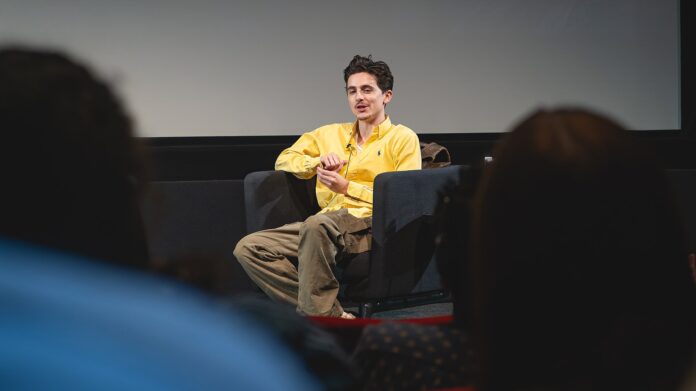
During a recent Variety and CNN town hall, Chalamet reflected on the broader challenges facing movie theaters in today’s entertainment environment.
“I admire people, and I’ve done it myself, who go on a talk show and go, ‘Hey, we gotta keep movie theaters alive,” Chalamet said. “And another part of me feels like, if people want to see it, like Barbie, like Oppenheimer, they’re going to go see it and go out of their way to be loud and proud about it.”
The conversation later shifted beyond film, prompting an offhand remark that quickly circulated online.
“I don’t want to be working in ballet or opera, or you know, things where it’s like, ‘Hey, keep this thing alive,’ even though it’s like, no one cares about this anymore,” Chalamet said.
The comment landed awkwardly. Chalamet quickly attempted to soften the moment, but he just ended up digging his own grave.
“All respect to the ballet and opera people out there,” Chalamet said. “I just lost 14 cents in viewership. I just took shots for no reason.”
These remarks spread rapidly across social media, sparking debate over whether the comment was ironic, careless or simply unnecessary. While some viewers interpreted the exchange as humor, others saw it as reinforcing the dismissiveness that artists in those fields have long struggled against.
The irony is that conversations about accessibility in ballet and opera are hardly new. Performers, educators and arts organizations have spent decades addressing perceptions of elitism and relevance without needing validation from Hollywood press tours. Chalamet’s remarks simply resurfaced an already tired and old debate by using his platform as a celebrity.
Ballet and opera remain as foundational art forms with centuries of history and global influence. Yet in contemporary entertainment culture, they are frequently framed as relics rather than evolving disciplines. Audiences celebrate cinematic spectacle while often overlooking the artistic traditions that shaped modern acting, choreography and storytelling in the first place.
Chalamet later framed his comments within a broader argument about audience demand that art survives when people genuinely want to see it. The idea reflects a market-driven view of entertainment common in the streaming era, where popularity is measured instantly through clicks, streams and ticket sales.
But that perspective also exposes a contradiction. Art forms that require patience, training and sustained attention struggle in an environment optimized for projects with quick turn-arounds. Algorithms reward immediacy, leaving slower, more immersive experiences at a disadvantage, regardless of artistic value.
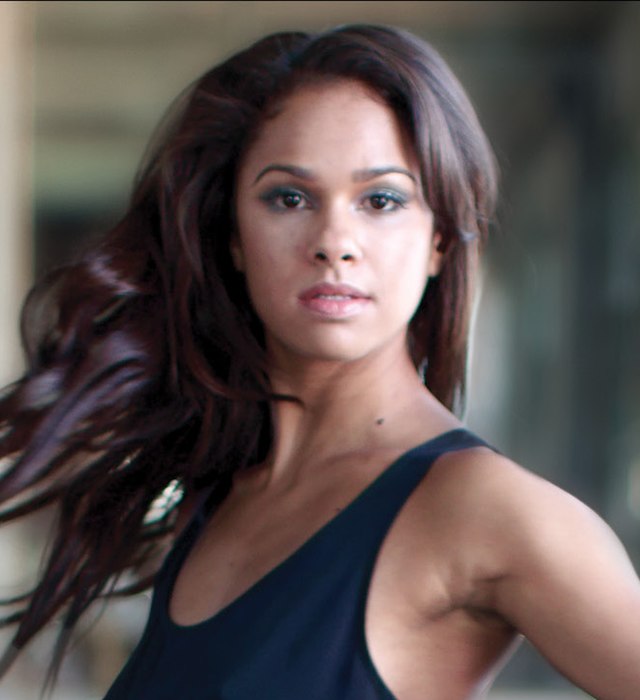
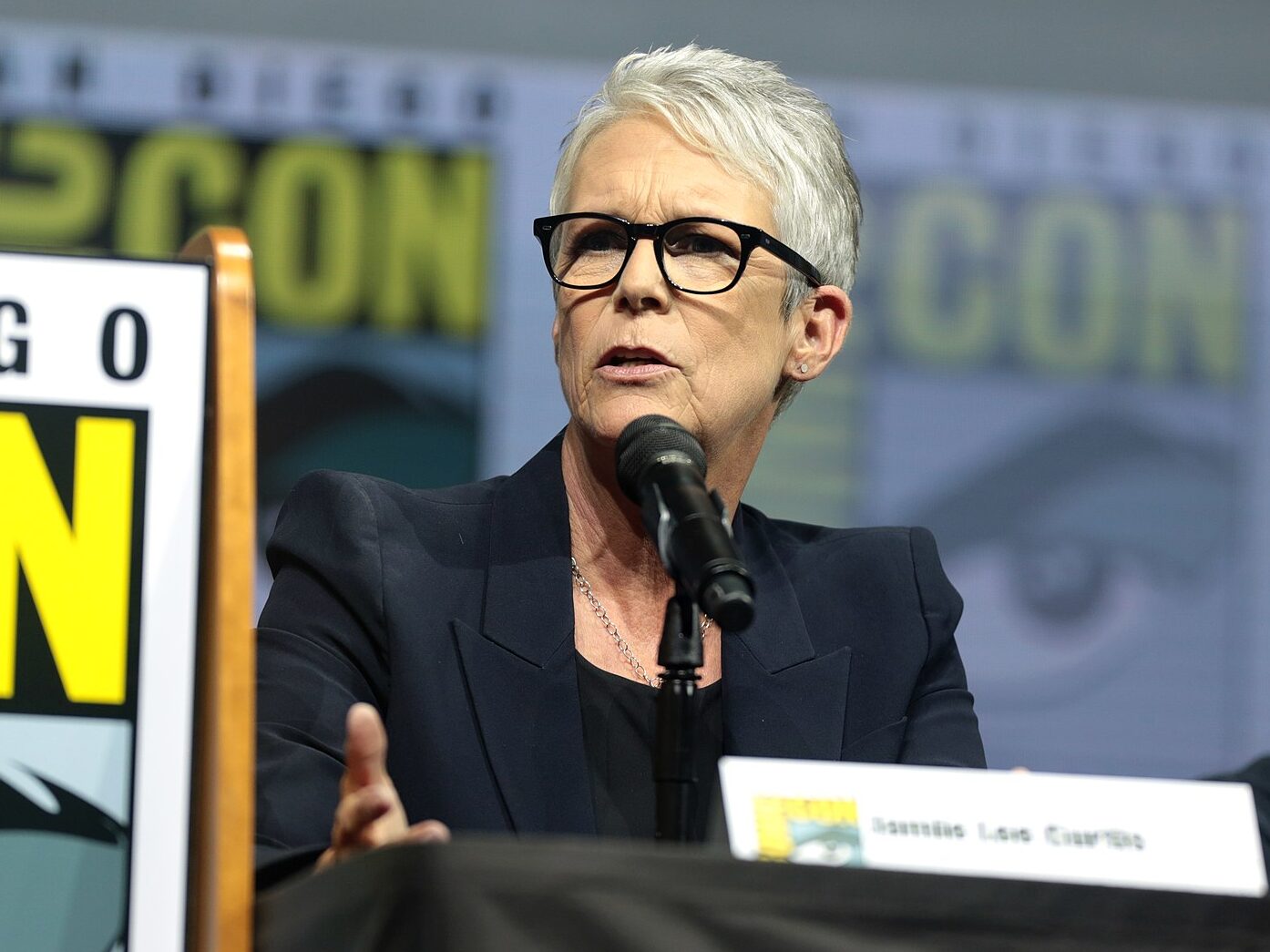
Many prominent figures across art forms have spoken out against Chalamet’s comments, including ballerina Misty Copeland and actress Jamie Lee Curtis. | Photos via Wikimedia Commons
Performing arts institutions are still recovering from pandemic-era shutdowns that devastated attendance and funding. Many ballet companies and opera houses are experimenting with contemporary music, diverse casting and modern storytelling to attract younger audiences. This is about as far as you can get from stagnation, with these art forms continuing to evolve even if public perception has not fully caught up.
Stereotypes persist nonetheless. Ballet dances are often reduced to images of rigid perfection, while opera singers are caricatured for vocal scale rather than emotional depth. Such portrayals overlook the athleticism, discipline and storytelling that audiences readily admire in film actors and athletes.
Yet the strongest reaction to Chalamet’s remarks may have little to do with ballet or opera at all. Instead, it reflects growing fatigue with celebrity opinion cycles, where nearly every promotional appearance produces a viral cultural take.
For some longtime viewers, the exchange marked a shift from the quieter public image that first defined Chalamet’s appeal. Early in his career, he was seen as an introspective performer whose work spoke louder than his commentary. As his visibility has grown, so has his presence in broader cultural debates, which has been a transition not all audiences find compelling.
There is also a certain nostalgia attached to that earlier image. Personally, I miss when Chalamet felt like a quiet, slightly mysterious actor. I long for the days when he could best be described as a little French boy who kept his mouth shut and simply made good movies.
That doesn’t mean that conversations about protecting the arts lack importance. But Chalamet framed ballet and opera as punchlines before defending them. This risks reinforcing the narratives artists are trying to dismantle about their passion. In this case, the comment felt less like advocacy and more like commentary searching for a point.
Whether the moment ultimately benefits performing arts organizations remains uncertain. Social media reactions did lead to renewed sharing of ballet performances, opera clips and rehearsal footage. This suggests that interest in this art form still exists, even among audiences raised on digital immediacy.
Still, this incident highlights a broader question facing modern entertainment: not just what art deserves attention, but who audiences want guiding the conversation about it. In an era saturated with commentary, restraint can sometimes be the most refreshing response.