Isabella Kostik
Staff Writer
On Oct. 29, Billie Eilish used her acceptance speech at the Wall Street Journal Magazine Innovator Awards to deliver a stirring critique of wealth inequality and directly challenge some of the world’s richest individuals. In a room packed with billionaires, including Meta Founder Mark Zuckerberg and his wife Priscilla Chan, the pop icon didn’t mince words.
“We’re in a time right now where the world is really, really bad and dark, and people need empathy and help more than, kind of, ever, especially in our country,” Eilish told the crowd. Forbes magazine captured another striking moment from her speech, where she added, “Love you all, but there’s a few people in here that have a lot more money than me. If you are a billionaire, why are you a billionaire? No hate, but give your money away, shorties.”
Her remarks resonated widely, not only because of their boldness but because Eilish backed them up with immediate action. According to Forbes she pledged $5 million from her Hit Me Hard and Soft Tour to support her Changemaker Program, which funds food equity initiatives, climate justice efforts and carbon-reduction projects
Eilish’s willingness to “put her money where her mouth is” underscores a broader issue at the heart of her message: a generational frustration with concentrated wealth and deepening economic inequality. Her blunt question, “why are you a billionaire?” challenges not only individual billionaires but also the systems that allow such extreme accumulation of wealth.
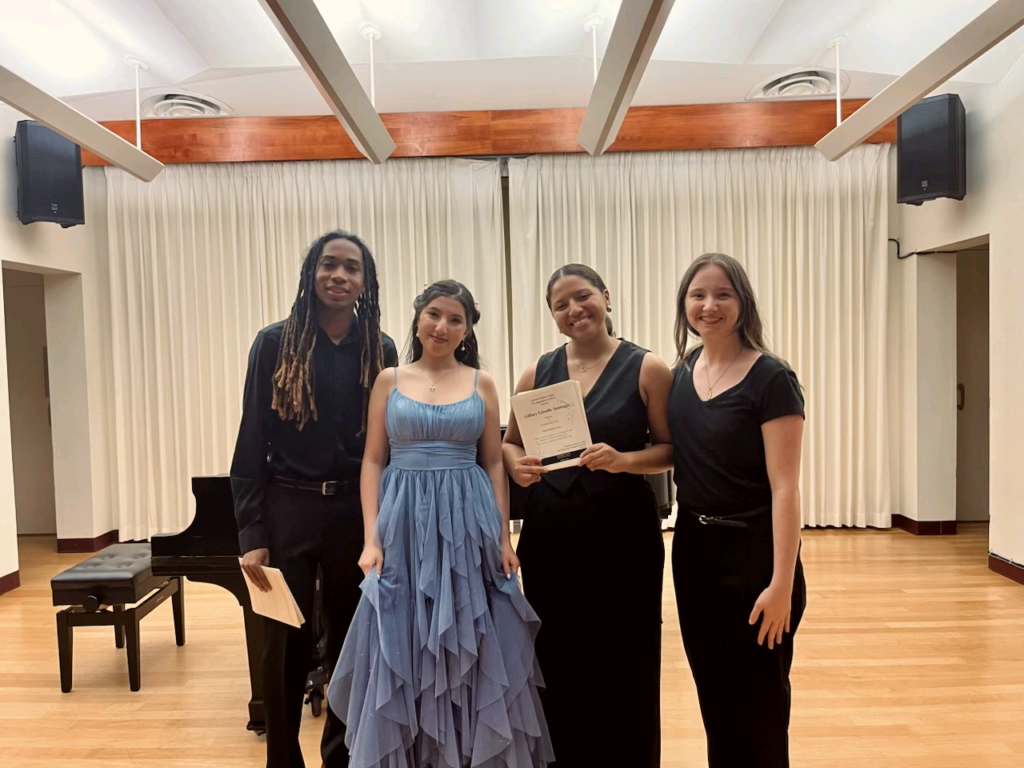
To better understand the impact of Eilish’s words on her audience, and what her message means to younger followers, we can look at FSC student Lydia Jones.
Jones expressed viewing Billie Eilish as her favorite artist. She explained that Eilish’s message reflects what many young people already felt.
“Billie Eilish has always stood out to me not just because of her music, but because she genuinely seems to care,” Jones said. “When she spoke at the awards, I felt like she was voicing what a lot of us feel but don’t get to say.”
When asked why Eilish’s call-out on billionaires mattered, she responded, “because it shows that even super famous people — successful artists see the problem. She’s not asking for small gestures, she’s demanding accountability. And she’s also giving her own money. That means it’s not just talk.”
She expressed disagreement with critics who argue that Eilish — being a wealthy individual herself — is hypocritical for targeting billionaires.
“I get that criticism, but for me, what matters is that she’s using her platform for good. She didn’t just donate quietly, she made a statement. That inspires people, especially young people, to think about wealth differently,” Jones said.
Jones’s views highlight why Eilish’s message resonates so strongly with her generation. She believes it’s not about perfection — it’s about responsibility.
Billie Eilish’s address at the WSJ event focused on the issue of wealth inequality, urging individuals with significant financial resources to contribute more to social and humanitarian causes. In her speech, Eilish highlighted the widening wealth gap and framed generosity not simply as charity, but as a social responsibility tied to ethical use of wealth.
Her public advocacy aligns with her past actions. These efforts illustrate her commitment to using her platform for social impact beyond entertainment. By encouraging billionaires to redistribute a portion of their wealth, Eilish raised a broader question about the role of wealth in society. Her comments have drawn mixed reactions, but supporters such as FSC student Lydia Jones view the message as emphasizing themes of collective responsibility, empathy, and social progress.