Julia Vorbeck
The Southern Editor
When I first heard that Oracle would take over key parts of TikTok’s U.S. operations, I wanted to believe it would finally end the app’s long-running ban drama. For years, TikTok has existed in political limbo, constantly under threat despite being woven into daily life for millions of Americans, myself included. But the more I look at Oracle’s involvement, the more it feels like a solution manufactured to look reassuring rather than actually be reassuring.
Despite what some headlines might suggest, Oracle does not fully own TikTok. Rather, TikTok finalized a deal to become a U.S.-based joint venture aimed at avoiding a ban, with Oracle holding roughly a 15% stake and providing cloud infrastructure and security oversight. On paper, that sounds like progress, but in practice, I’m not convinced much has changed.
If anything, I’ve noticed more disruption than reassurance. In late January and early February, Oracle-linked data center outages reportedly caused widespread TikTok issues, from videos failing to load to entire “For You” pages resetting. For an app whose appeal depends almost entirely on a finely tuned algorithm, those disruptions were impossible to ignore and hard to excuse during a transition meant to improve stability and trust.
The algorithm itself is where my concerns deepen. Oracle now hosts and audits TikTok’s recommendation system, which is reportedly being retrained to meet U.S. requirements. While oversight is supposed to increase transparency, some users and creators have claimed that content critical of certain political figures has been suppressed. That’s unsettling. TikTok was already criticized for opaque moderation practices and this shift makes me wonder whether we’ve traded one set of influence concerns for another.
What frustrates me most is how invisible these decisions are to the people actually using the app. TikTok looks the same, scrolls the same and sounds the same. But behind the scenes, control is shifting in ways that affect what we see and who gets amplified. The transition to a U.S. version has reportedly been rocky, with glitches and altered feeds pushing some users to explore alternative platforms.
So, is TikTok safe from being banned? For now, probably. But as a user, that reassurance feels temporary. The debate hasn’t ended, it’s just changed focus. Instead of asking whether China has too much influence, we’re now left wondering how much control is acceptable in the name of security.
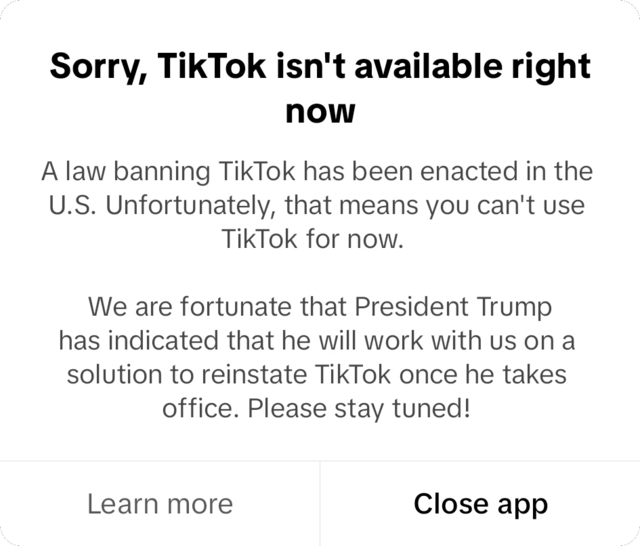
TikTok has become more than entertainment. It’s where people get news, build communities and in many cases, earn a living. Decisions about its future shouldn’t feel this distant or this opaque.
Oracle’s involvement may have changed TikTok’s political narrative, but it hasn’t eased my concerns. If anything, it’s made them more complicated. The app’s future now rests in the hands of corporate and political interests that feel just as distant as the ones lawmakers claimed they were trying to protect us from.
TikTok doesn’t need another behind-the-scenes reshuffling or carefully worded deal. It needs real, visible accountability over how its algorithm is controlled and whose voices are prioritized. Until that happens, Oracle’s role feels less like a solution and more like a temporary patch, delaying an inevitable reckoning. For users like myself, the question is no longer whether TikTok will survive its next political test, but whether the platform we rely on will still feel like ours when it does.