Jacob Smith
Opinions Editor
When you’re a student at FSC, you aren’t just a member of the college community. Leaving the microcosm that is the historic Frank Llyod Wright campus reveals the city of Lakeland.
Aside from the abundance of lakes, the first thing that comes to my mind when thinking about Lakeland is the look and design of the city. The massive lawns of the modern-style homes surrounding Lake Hollingsworth and the similarly polished aesthetic of downtown paints a picture of Lakeland as being this upper-class area.
However, as soon as you get off of Florida Avenue, a contrasting picture gets drawn. The roadways and sidewalks aren’t as properly maintained, an awkward set of railroad tracks cuts through a large portion of the city and the roads feel like they were smushed together. Lakeland feels like two different towns that have no relation to each other just so happen to share the same name.
Take Ingraham Avenue, for instance. This road spans from Lake Hollingsworth to Memorial Boulevard and gives me a feeling of tonal whiplash every time I drive down it. The section that cuts through FSC is paved with red brick, matching the aesthetic of the school. The brick does get replaced with asphalt the further north you go, but the road remains high quality and easy to drive on.
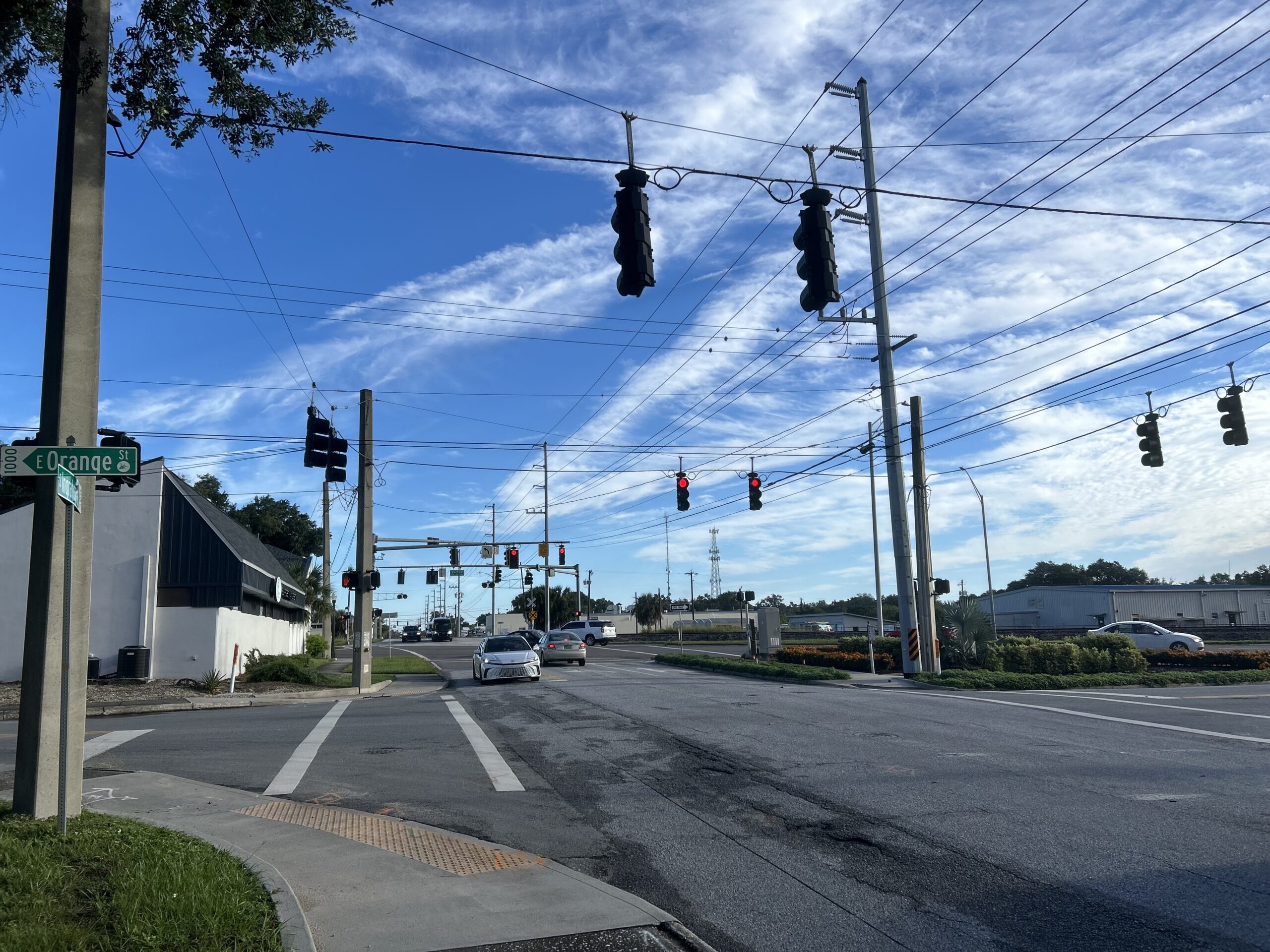
Once you reach the intersection with Bartow Road, you’re forced to sit through not just one, but two stop lights back-to-back. Although I haven’t travelled to many places outside of Florida, I have never seen anything like this phenomena anywhere else across the handful of states and countries that I have visited.

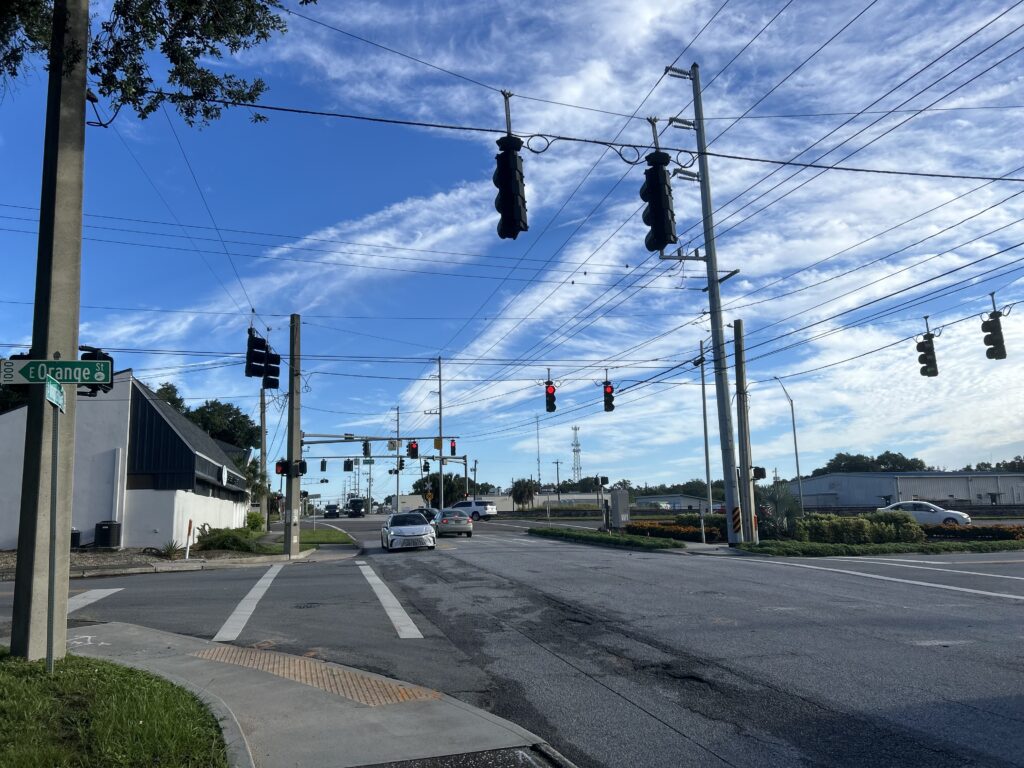
I remember being so confused by this road design the first time I visited Lakeland for a tour of FSC and it hasn’t made any more sense to me in the four years since then. After you make it across this barrier, you’re met with the sights of randomly assorted businesses that lack any sense of visual cohesion before the road finally reaches its end at Memorial.
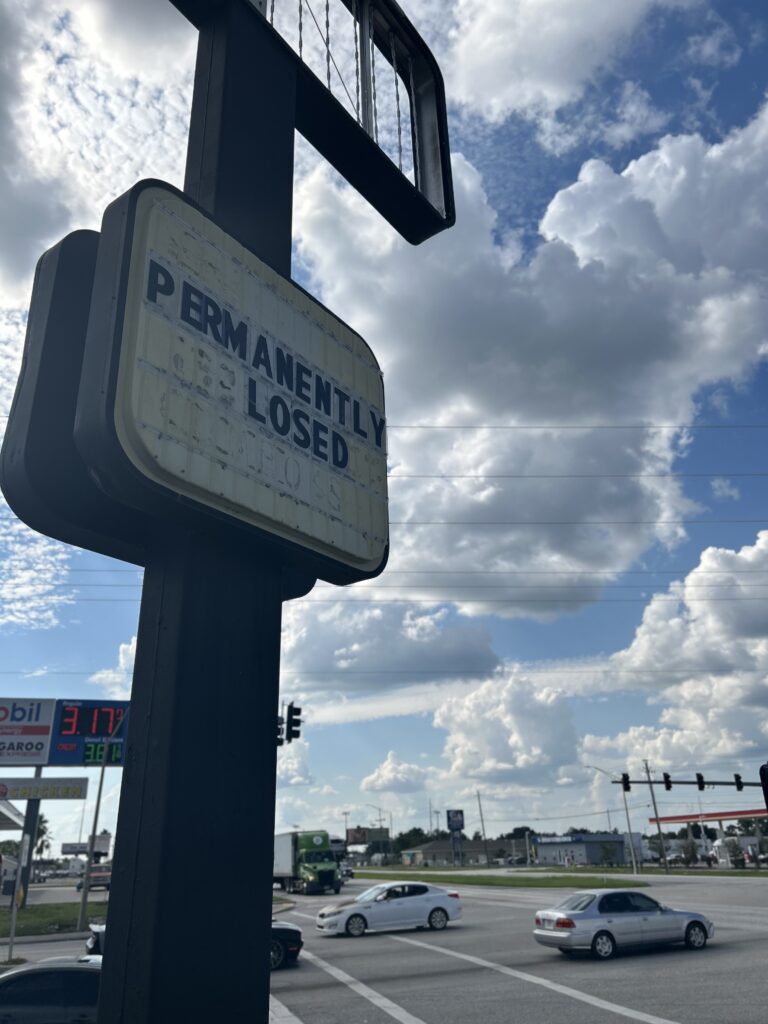
I’m not saying that this road is bad because it doesn’t all look the same or because it isn’t a flat, straight path. What I am saying is that it’s confusing that a section of the city that is right next to a private college and the downtown area looks rundown and like it’s falling apart. These areas are naturally going to draw people in, so I would figure that the city would want to spread the love elsewhere.
I don’t know what the City of Lakeland’s plans are, but I think one reason why the city doesn’t share the same level of design quality could be because they’re unable to. Lakeland is a pretty old city, with the Downtown Lakeland website saying that “Lakeland was formally established in 1884 and incorporated as a city in 1885.” As the Atlantic Coast Line Railroad was being worked on in the late 1800s, Lakeland became a major stop, which in turn brought people and business to the area.
Much later on in the 1960s and 1970s, the downtown area experienced suburban development as both growth continued and the automobile became a central figure in city planning. As this development occurred and as it continued into the early 2000s, many of the city’s original buildings remained and were historically preserved.
There are multiple historic districts in Lakeland that serve to protect the oldest standing buildings from either being demolished or having their original vision distorted. According to the Lakeland Government, these buildings are allowed to have certain changes made to them as long as they are “done in an architecturally appropriate manner that preserves their character.”

There are seven districts in total that span a combined area of 1.42 square miles, with all but one of them being located around downtown. On the Lakeland Government’s website, a map outlining each district can be found. Following Ingraham Avenue on this map shows it cutting through the East and South Lake Morton districts, as well as the Biltmore Cumberland district. The area of the road that has been properly maintained. The map also reveals the cutoff point for the historic districts to be Bartow Road, where the dreaded double stoplight is found.
So if the historic districts aren’t the reason why this portion of the city looks so bad, then what is?
The Lakeland Government website says that “about 6% of Lakeland’s population lives in a historic district.” Why doesn’t the other 94% of the population receive the same level of attention? If the area surrounding Lakeland’s main claim to fame looks this inconsistent, then I can’t even imagine what the farther out sections look like.
There are some plans currently in the works to mark-up certain parts of the city. One of these efforts is an Economic Development Strategy that is meant to revitalize Memorial Boulevard. The City of Lakeland’s website states that the goal is “to attract investments, strengthen the adjacent residential communities, enhance pedestrian safety, boost the local economy and increase employment opportunities” for the six-mile long corridor. This project is still in the early stages, with the most recent update being a public meeting held earlier this year on April 24.
While this is definitely a step in the right direction, the city’s other plans are still focused on the downtown area. One of these projects is a plan to widen both the road and sidewalks from 8.5 feet to 11 feet on Florida Avenue in order to meet the Florida Department of Transportation’s requirements. Other plans include making slight street adjustments to Lemon Street and Lakehurst Street, as well as improving drainage, sidewalk and driveway construction on Edgewood Drive. These are all adjustments that do need to be done, but Lakeland isn’t just the downtown area.
There needs to be more attention and upkeep given to the parts of Lakeland outside of FSC and the downtown area. Not only would this improve the visual appeal, but it would also promote growth and business to other parts of the city that people may not want to visit in its current state. The rest of Lakeland doesn’t need to look like downtown, but it does need to be accessible and presentable.