


Isabella Kostik
Staff Writer
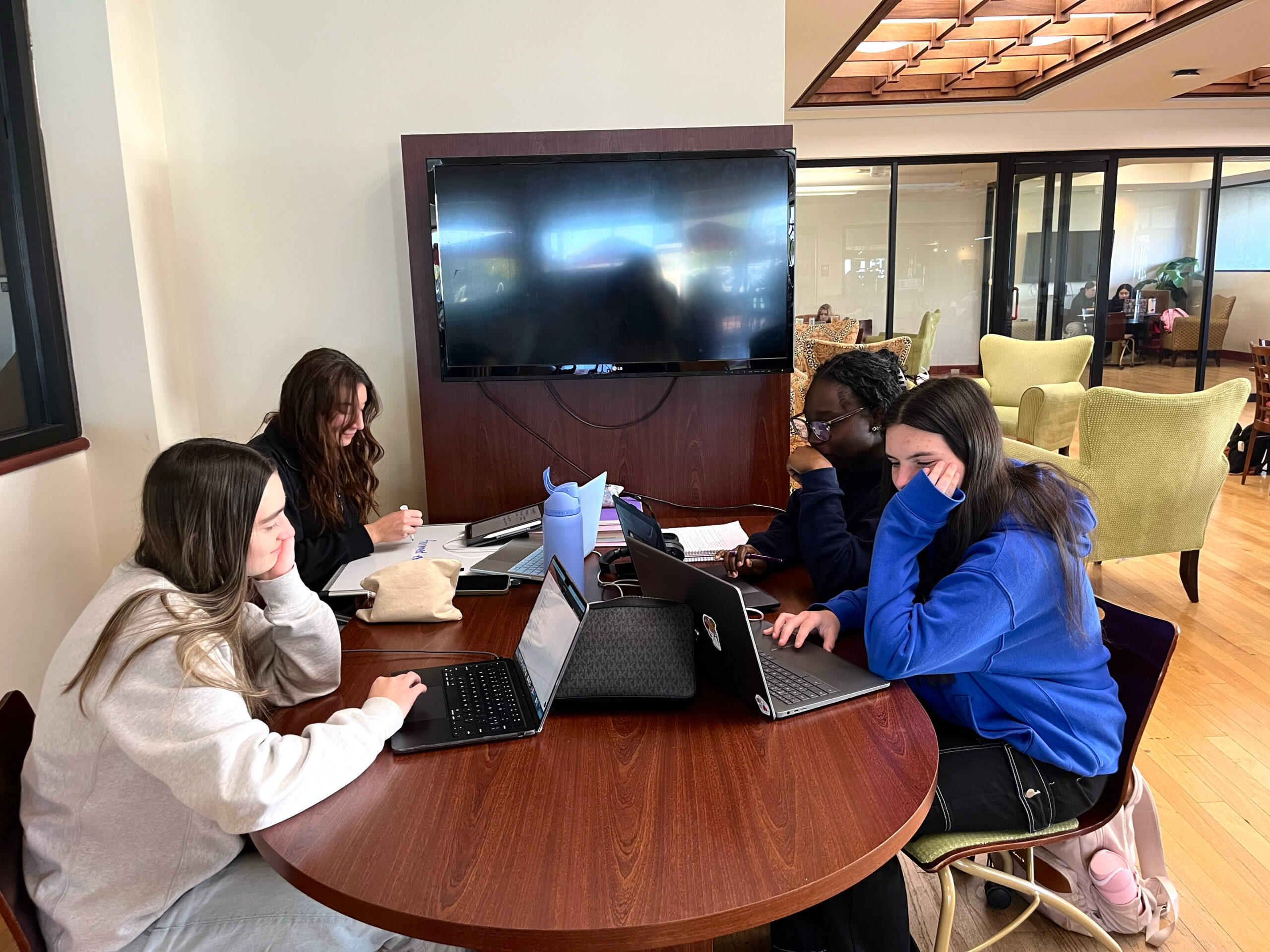
Academic pressure, extracurricular demands and social expectations are contributing to rising stress levels among college students, with potential consequences for both mental health and academic performance. College offers opportunities for growth and independence while also introducing responsibilities that can feel overwhelming. FSC nursing student Emily Stahlnecker shares that she often feels overwhelmed once school becomes busy, saying “I feel like I wish I had more time for myself. Especially once school picks up I feel like most of the time I’m studying,” she said.
Stahlnecker identifies exams and skill check-offs as her primary sources of academic stress, stating, “The most common stress I experience as a nursing student is exams and checkoffs. I find myself so stressed when studying no matter what class.”
Frontiers Academic Demand reports that some students also manage athletic commitments alongside a rigorous course load. Furthermore, balancing these responsibilities has been associated with increased levels of stress, which may contribute to anxiety, burnout and difficulties with concentration. As a result, both academic performances and mental well-being can be adversely affected.
Additionally, many students experience pressure to conform to social norms and meet expectations influenced by peers on social media. In a dissertation published on ProQuest by Janna Basler it says, “people use the preponderance of a behavior depicted in the media to form their perceptions about the prevalence of the behavior, and also translate that perception in action.”
Social media platforms such as Instagram and TikTok often highlight curated and idealized representations of appearance, lifestyle, and success. The 6th International Research Conference on Humanities, Social Sciences and Technology 2024 says that “social media incentivises users to present only the most positive aspects of their lives, contributing to a distorted and unrealistic depiction of success. Filters, photo editing tools, and crafted captions enhance this illusion, fostering a sense of insecurity and dissatisfaction with one’s own life.”
Exposure to these portrayals has been associated with increased pressure which can contribute to negative mental health outcomes, including anxiety, reduced self-esteem, and emotional exhaustion.
Stahlnecker explains that hands-on experience reduces her stress. “I feel like my stress actually decreases with clinicals. I really enjoyed the interaction with the patient, and it reminds me that this is really what I want to do,” Stahlnecker said.
She further explains other healthy coping strategies that are effective. “My ways of managing stress are definitely working out, lake, laps or writing. I also find myself calling my mom to vent if I feel like I’m not doing enough,” Stahlnecker said.
Research indicates that creating schedules, maintaining adequate sleep and engaging in regular physical activity can improve student inability to cope with academic and social demands.


