Kayden Williams
Staff Writer
Not that long ago, streaming services felt like the future. For a small monthly fee, you could watch what you wanted, when you wanted without sitting through endless commercials or paying for hundreds of channels you never used. Streaming services like Netflix, Hulu, Disney Plus and Max promised simple and easy solutions to streaming. But as these services have become more of the norm, some downsides have presented themselves that calls into question whether streaming is actually better than its predecessor, cable.
At first, streaming was cheaper. One or two subscriptions could cover almost everything. But now, content is spread out across a bunch of different platforms. If you want to watch one specific show, it might only be available on one service. And even then, it’s not guaranteed to stay on that platform, as content usage rights are constantly being traded around.
While that is annoying, it’s not necessarily a bad thing. The type of things streaming on Disney Plus compared to Netflix, Hulu and HBO Max varies drastically, which can help with narrowing down what style or genre of content you’re wanting to watch. This can also introduce you to brand new movies and shows that you might not have known about, otherwise. Compared to the cable model, you’re able to better curate the content you’re paying for at a fraction of the cost.
Streaming has also had a pretty major impact on the movie industry. In the early 2000s, you used to have to wait up to six months before you could watch a new movie at home. But now, the turn-around time to being available to stream is much quicker, with it usually taking around two to three months. This has made it hard for movie theaters to compete, as major theater chain AMC has reported lower attendance numbers and ticket sales year after year. While viewers have been able to save money by waiting for the latest movies to arrive on streaming, this comes at the cost of box office sales, which movie studios use to decide whether or not it’s worth it to give a movie a sequel.
Streaming services have also expanded into the sports world as well, not just movies and shows. Streaming services like Netflix, Youtube TV, Hulu and Paramount Plus have all expanded into the sports world. Over the past few years, Netflix has hosted multiple football games on Christmas day, as well as boxing fights, such as the match between Jake Paul and Mike Tyson.
YouTube TV has become the king of live sports, especially football. If you have a YouTube TV subscription, you have access to almost every NFL football game and any other game that is on national TV, like ESPN.
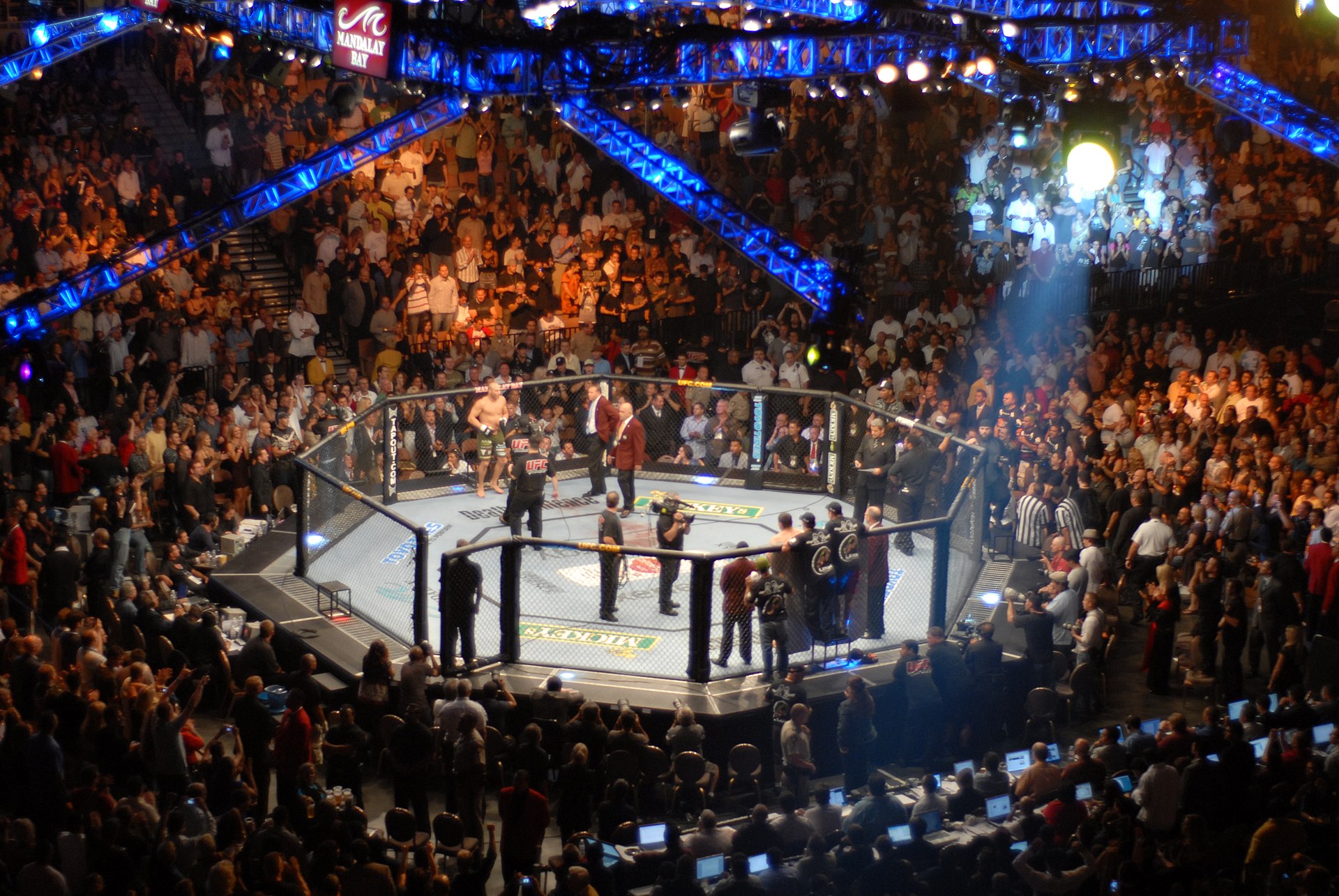
One of the biggest moves in streaming history came when Paramount Plus bought the rights to the UFC. Last year Paramount and the UFC made a deal for seven years for 7.7 Billion dollars to allow Paramount to hold the rights to the UFC. This move was a shock to the sports streaming world because the UFC had always been pay per view. But now if you hold a Paramount subscription, you get full access to the UFC fights.
I think that the easy accessibility of streaming services is the biggest advantage over cable. Being able to watch something on the same service across multiple devices caters well to the college environment. Rather than having to figure out how to set up a cable box, you can log into the same account you would use at home and still be able to enjoy your show. Having cable might make more sense at a permanent residence, but even then it’s an extra hassle that is easily solved by just going with streaming instead.
Senior Nick Elliott agrees that streaming is a much better alternative to cable.
“Streaming services allow for easy access while cable TV is harder to use these days,” Elliott said.
The streaming vs cable debate has a clear winner. Streaming offers a way more diverse catalog and ease of accessibility that cable just can’t compete with. Although you most likely won’t find everything you would want to watch on just one streaming service, the combined monthly cost of the most popular services is still less than a typical cable package. I don’t see how cable can keep up in this age of streaming, and I wouldn’t be surprised if it will be completely gone within the next ten years.